

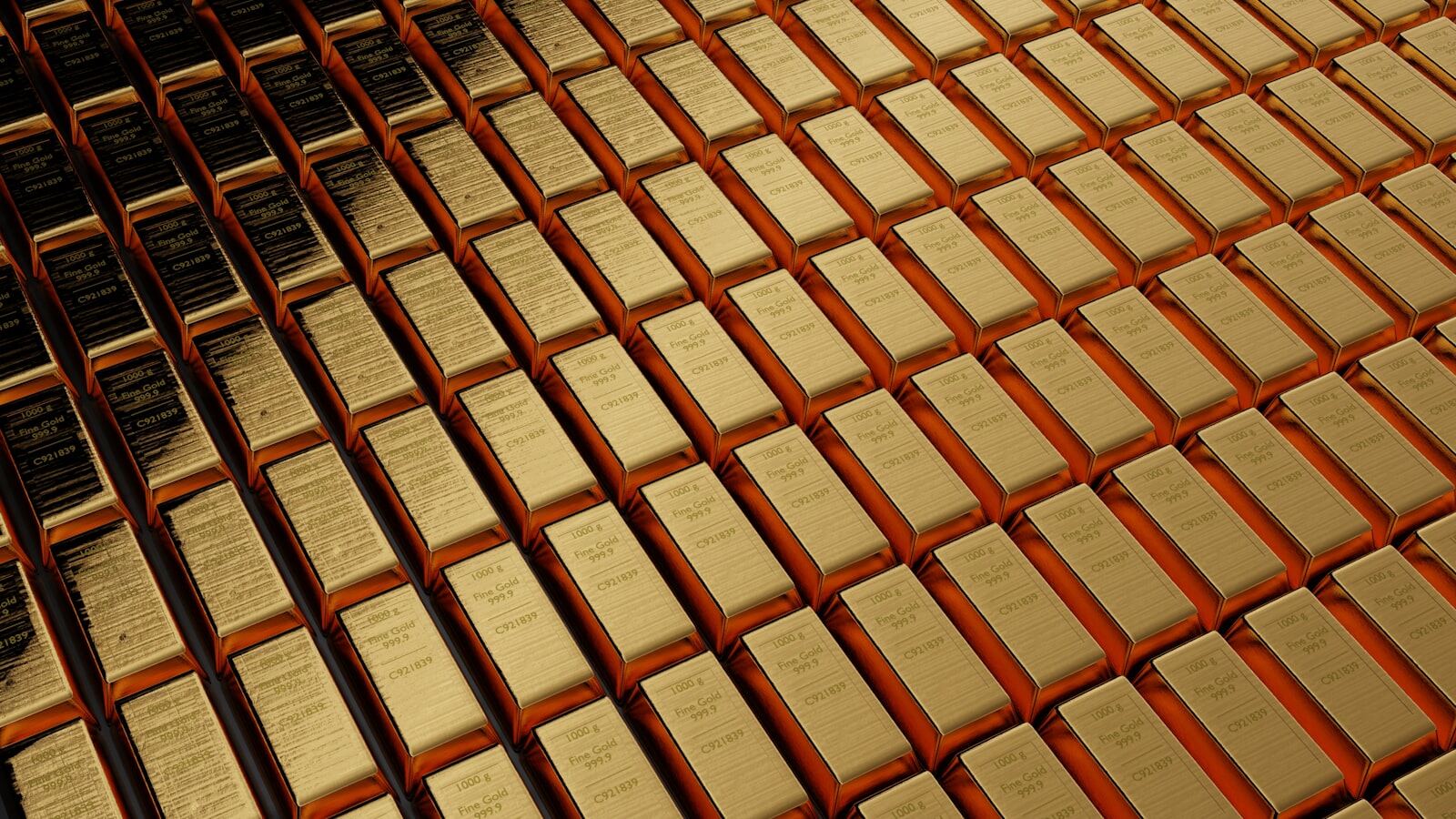
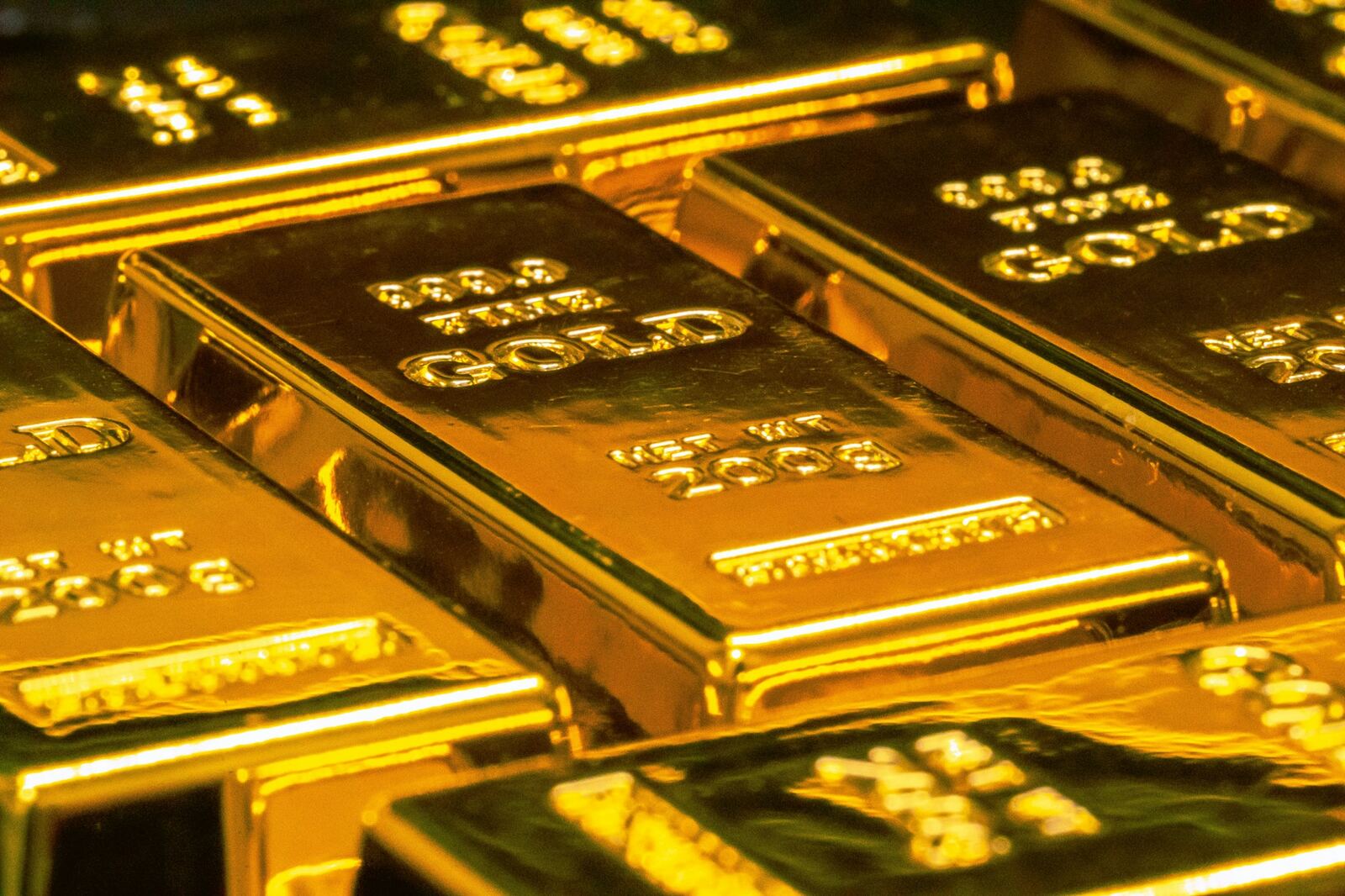
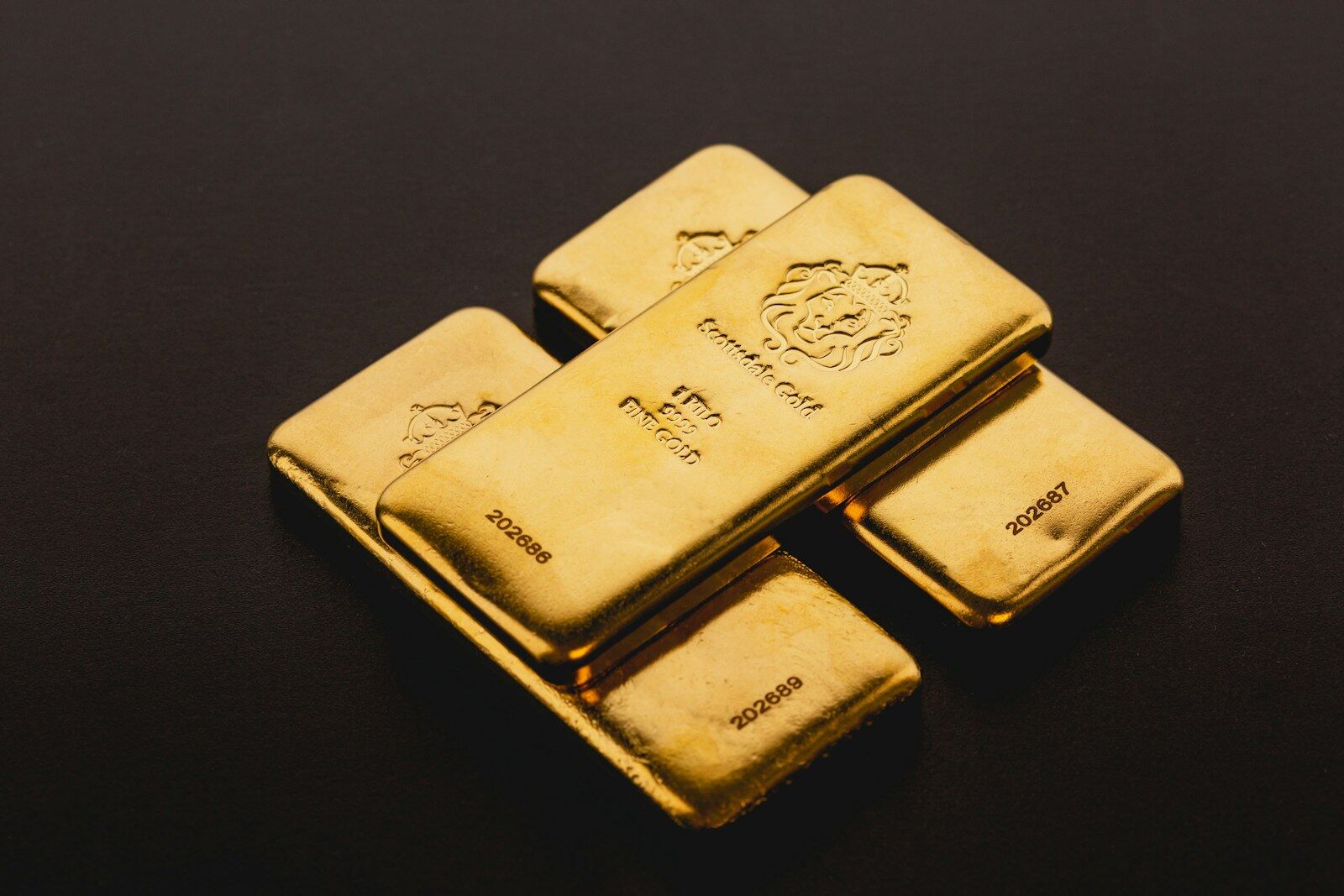
Gold bars — the ultimate store of value
Why Gold

Here's Why You Should Buy & Invest in Gold.

From ancient Egypt to modern central banks, gold has always been the ultimate store of value. The people who understand this are accumulating — right now.

Introduction

The ultimate money.

Throughout human history, gold has been an asset that stands out above the rest. From the glittering treasures of ancient Egypt to the vaults of modern central banks, gold has always been a symbol of wealth and security.

The yellow metal has numerous unique qualities that make it the ultimate money and store of value — helping people protect their hard-earned wealth from inflation, monetary crises, financial instability, and geopolitical upheaval. In good times and bad, gold is trusted by ordinary investors and central banks alike.

Though our world is becoming increasingly complex and technologically advanced, gold is finding even more favour each year as investors appreciate its simplicity, scarcity, and durability.

Stacked gold bars
999.9 fine gold LBMA Good Delivery bars. Each identified by serial number, allocated to you.
The fundamentals

Why gold is money.

Gold fulfils every function and characteristic of money — more completely than any fiat currency ever has.

Functions of money

  • Medium of exchange — accepted in transactions worldwide
  • Store of value — preserves purchasing power across centuries
  • Unit of account — priced in every major currency
  • Standard of deferred payment — debts valued in gold for millennia

Characteristics of money

  • Durable — gold does not corrode or degrade
  • Divisible — from milligrams to kilogram bars
  • Scarce — total supply fits in three Olympic swimming pools
  • Fungible — one ounce is the same as any other
  • Portable — high value-to-weight ratio
  • Difficult to counterfeit — unique density and properties
Six reasons to own gold

What makes gold different from everything else.

01

Superior store of value

Gold is uniquely capable of retaining its purchasing power over long periods. An ounce of gold today buys roughly the same amount of goods as it did throughout history — a phenomenon known as the "Golden Constant." A quality men's suit cost one ounce of gold in the 1930s ($35). It still costs roughly one ounce today.

02

Protection against inflation

Fiat currencies — the dollar, pound, euro, yen — continuously lose purchasing power as governments and central banks expand the money supply. Gold cannot be printed at will. Its supply grows at approximately 1.5–2% a year, close to global GDP growth.

03

Safe haven in crises

Gold's lack of counterparty and default risk — unlike stocks and bonds — makes it humanity's preferred safe haven during turbulent times. Gold has no issuer who can default. Its value does not depend on a borrower repaying or an institution surviving.

04

Portfolio diversification

Gold has a low correlation with stocks and bonds, making it a valuable addition to investment portfolios. Adding even a modest gold allocation has historically improved risk-adjusted returns over the long run.

05

Central bank validation

Central banks — including the US Federal Reserve, Bank of England, and Bank of Japan — hold vast quantities of gold. They describe it as: "the ultimate store of value," "not a claim on a debtor," and "the highest quality asset." Trust what they do, not just what they say.

06

True ownership

Physical gold held in allocated storage is yours outright — not a fund's claim, not a bank's liability. Specific bars, identified by serial number, segregated from all other assets, insured in full. If the institution holding it fails, your gold is still yours.

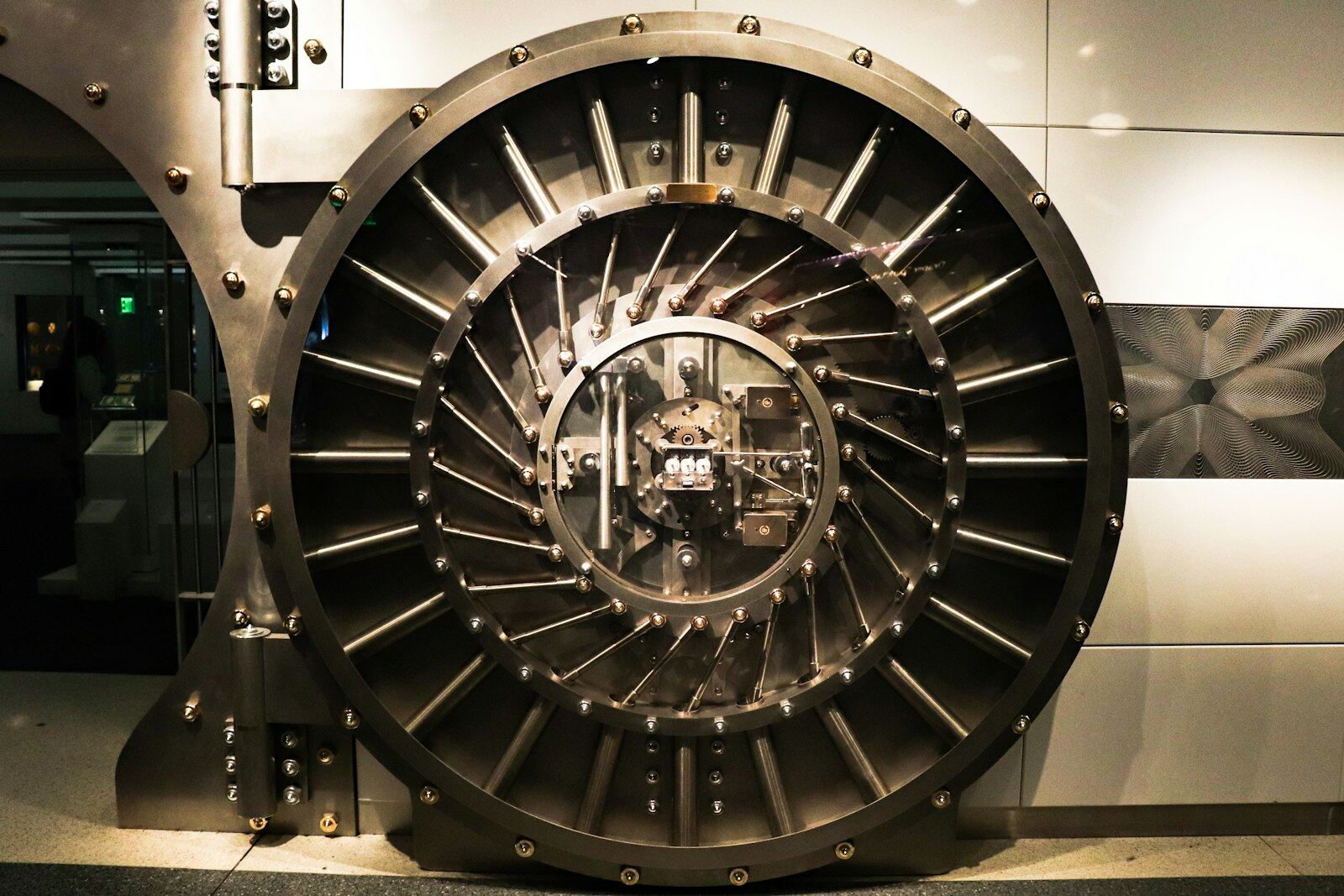
Bank vault door
Central bank gold The US, Germany, France, and Italy hold the largest official gold reserves.
Central banks

The world's largest holders.

Central banks hold roughly a fifth of all gold ever mined. The US, Germany, France, and Italy hold the largest official reserves. Developing nations — China, India, Russia — are accumulating gold at a historic pace to reduce dependence on the US dollar.

The Bank of England sums up why central banks hold gold: "It is the ultimate store of value. Unlike foreign currencies, it is not a claim on a debtor and therefore does not have the same risk of default."

The discrepancy between their public statements and their actions — stockpiling gold in record quantities — suggests it is wise to trust what they do rather than what they say.

Physical vs paper gold

Why physical gold is the only real gold.

Physical gold (what we offer)

  • Zero counterparty or default risk
  • You own the metal outright — specific bars, serial numbers
  • Insured for full replacement value
  • Stored outside the conventional banking system
  • Has stood the test of thousands of years
  • Survives financial crises and monetary resets

Paper gold (ETFs, futures, mining stocks)

  • Counterparty and default risk — a claim on a manager
  • You are a shareholder, not an owner of physical metal
  • Complex financial entanglements and hidden risks
  • Vulnerable to financial system failures
  • Not held outside the banking system
  • Unproven in historic crises and monetary resets
Financial architecture
Start today

Own gold. Not a claim on it.

The people who understand what is coming are positioning themselves now. The time to act is before a crisis, not during it.